Getting past the barriers
March 1, 2017
Free Webinar on Channel Response to Dam Removal Sediment Release, 25th April 2017
April 11, 2017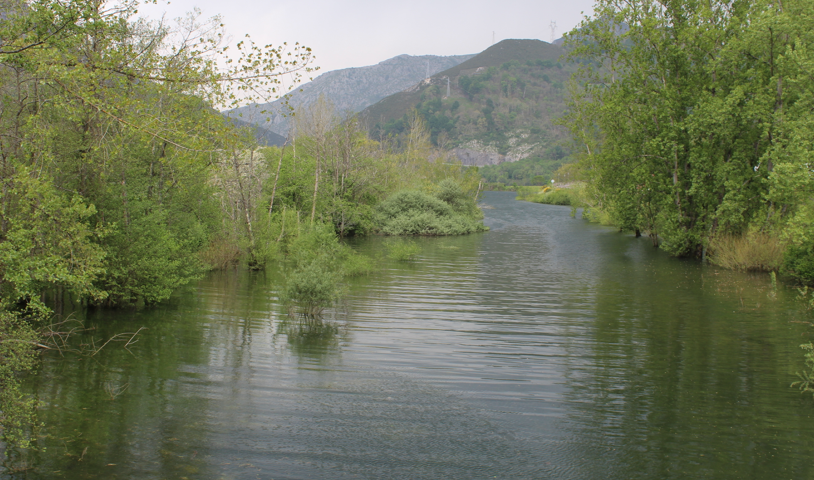
Dams on Nalon-Narcea basin as case study from Asturias-Spain by University of Oviedo
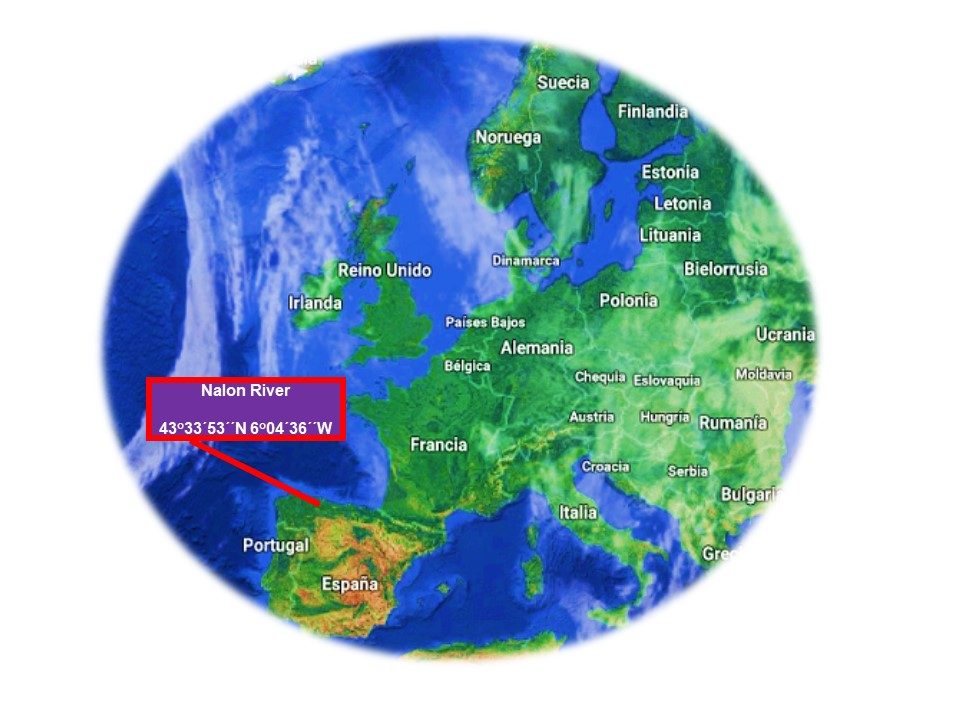
Asturias (43°20′0″N; 6°0′0″W), in the northwest of the Iberian Peninsula (south Bay of Biscay), is a succession of mountains and valleys watered by short steep rivers. There are 8 small river basins throughout the region. The climate, landscape and ecosystem are similar to those of other temperate Atlantic European regions but with slightly warmer temperatures corresponding to relatively lower latitude. One of the most fragmented by dams and reservoirs is the Nalon-Narcea basin (Fig.1) where one of the AMBER case studies in the Iberian Peninsula is located, conducted by the University of Oviedo (Asturias-Spain).
The Nalon-Narcea hydrographic basin runs through the Asturias central zone. Nalon River, 145 kilometers long and average flow of 55.2 m3/s, and Narcea River, 97 km long and average flow of 43.4 m3/s contain in total seven dams and reservoirs. Main reservoirs’ uses are water supply and the generation of electric power, plus recreational fishing. Several dams are impassable and have no fish ladders so the rivers are fragmented and the ecosystem continuity is interrupted.
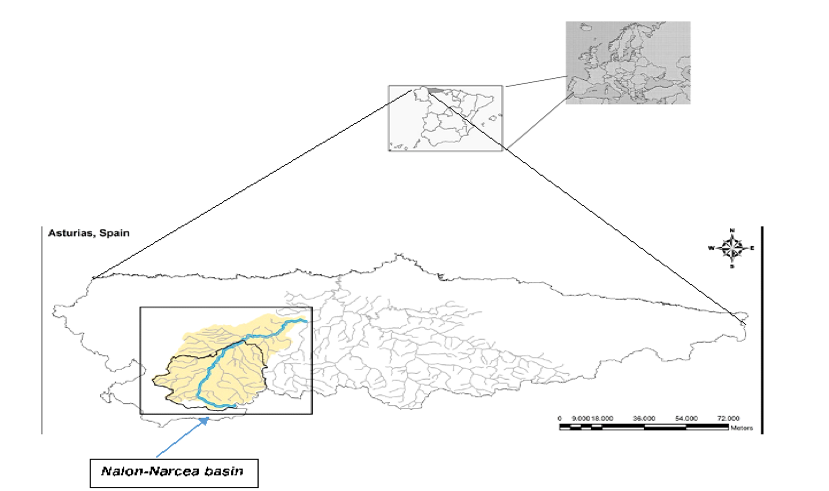
Head >1,600m altitude. Average flow 55-43 m3/s.
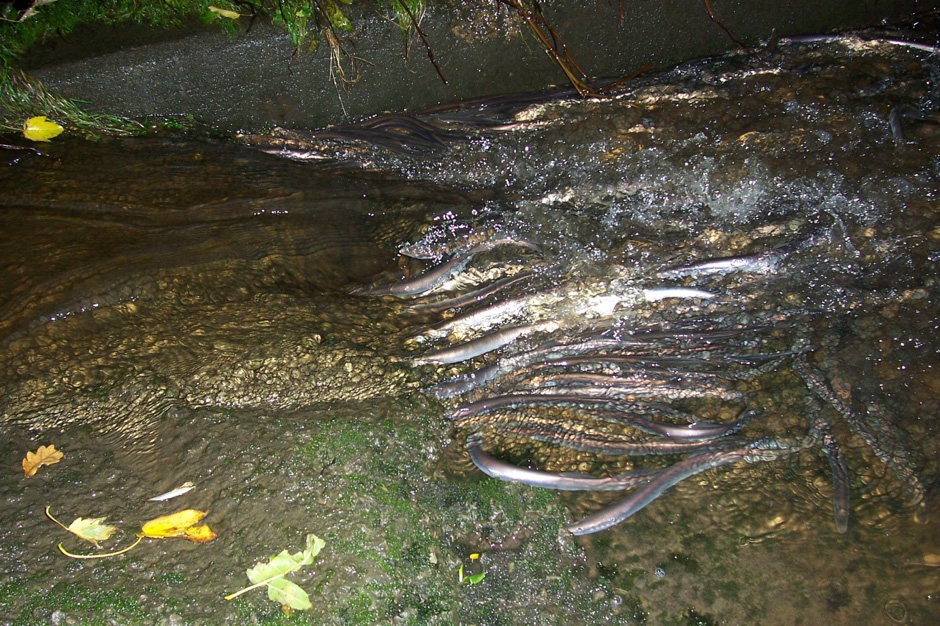
In AMBER’s Nalon River case study we will analyze the upstream area of this hydrographic basin and two reservoirs occurring therein: Tanes and Rioseco (http://www.embalses.net/pantano-773-tanes-rioseco.html, accessed February 2017). The two reservoirs are interconnected and water is pumped from Rioseco to Tanes during the night while it passes down (Tanes to Rioseco) during the day to produce energy. The turbulences produced by these connections impede the use of the two reservoirs for swimming and navigation activities. The uppermost zone is located within the UNESCO (United Nations Educational, Scientific and Cultural Organization) Biosphere Reserve and Natural Park of Redes. With a rich faunal diversity, the ecosystem is dominated by well-conserved forest. More than 9000 hectares of beech (Fagus sylvatica) with oak (Quercus robur), holly (Ilex aquifolium) and yew-tree (Taxus baccata). Among the fauna inhabiting the reservoirs of the Upper Nalon, we find many amphibians –most of them protected- like the common toad (Bufo bufo), the midwife toad (Alytes obstetricans), the green frog (Rana perezi), the Alpine newt (Triturus alpestris), the Iberian newt (Triturus boscai), the fire salamander (Salamandra salamandra) and the Gold-striped salamander (Chioglossa lusitanica). There is a large and diverse group of aquatic invertebrates that are the basis of the trophic chain of this ecosystem. In the top of the chain there are otters (Lutra lutra), and just below the top, the waters of the Nalon-Narcea rivers are populated by two native salmonid fish: brown trout (Salmo trutta) and Atlantic salmon (Salmo salar); however, Atlantic salmon cannot reach upstream areas due to the impassable dams, thus only natural populations of brown trout occur in the case study zone. As native fish there are also a few European eels (Anguilla anguilla), coming from occasional stocking because as Atlantic salmon this migratory species cannot pass the river dams.
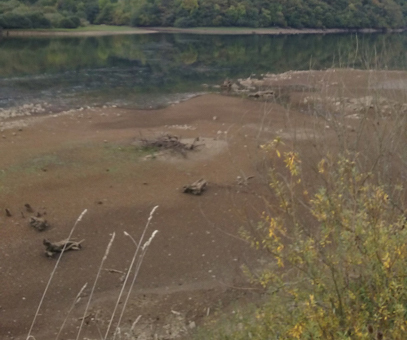
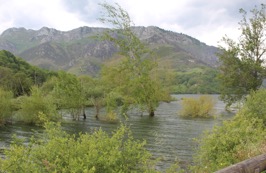
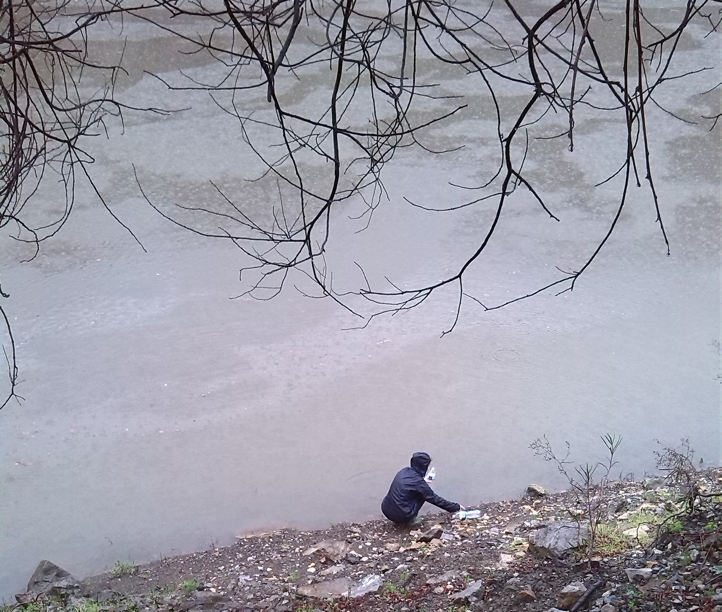
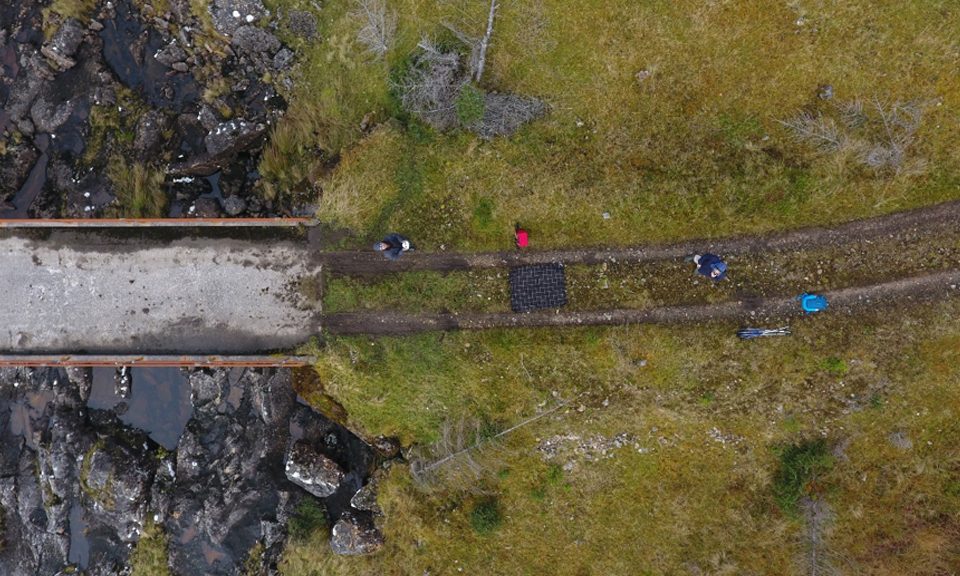
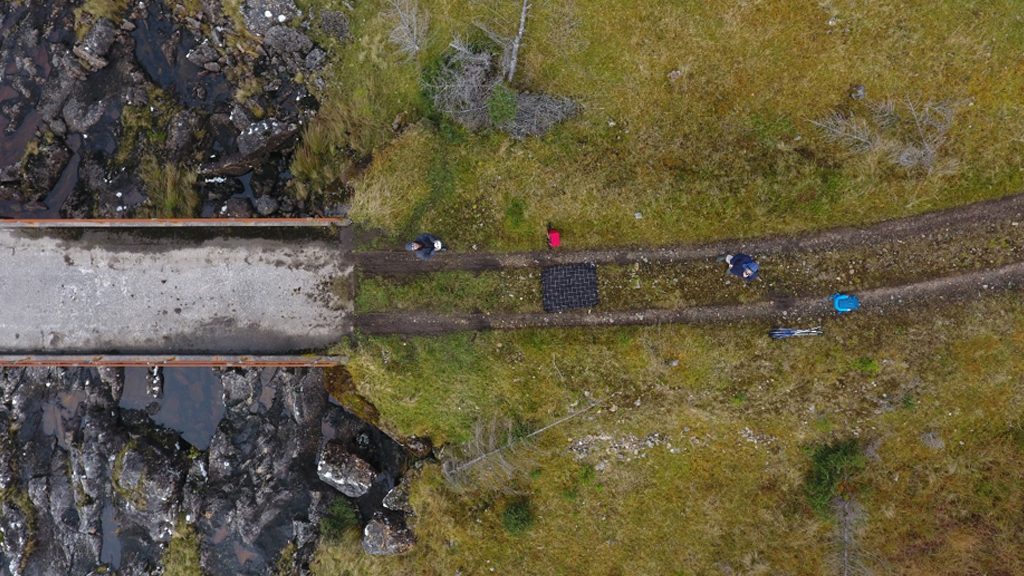
The water bottle can be seen by the tree.
Follow AMBER on Twitter and Facebook or sign up for the newsletter to stay up to date!